

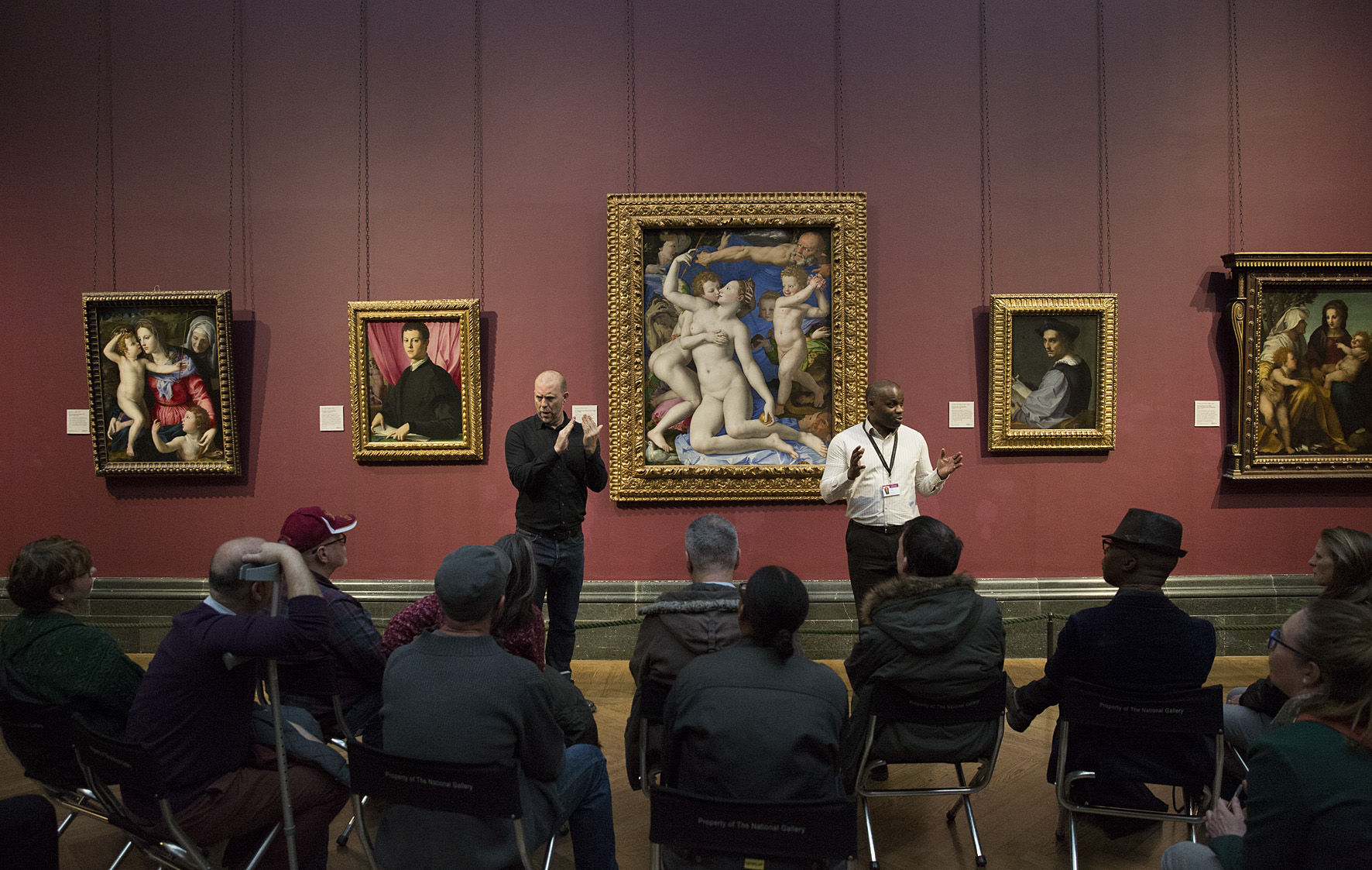
Fine Art Society Lectures; John Hall Venice, and Martin Randall Travel
Upcoming Lectures
- John Hall Venice: Monday 15th of February until Friday 19th of February 2027, join Leslie in Venice, where he will be delivering the following lectures:
- Titian and the Venetian Masters
- Titian’s Bacchus and Ariadne and the Nude
- Tintoretto, Veronese and the Venetian Late Renaissance
- Slavery in Venice
- The Fabric of Venice: Vedute painting and the Rococo Master
- Martin Randall Travel: Tuesday 28th of September 2026, until Tuesday 5th of October 2026 you can join Leslie on his lecture, The Heart of Italy – Umbria’s finest art and architecture.
Also known as the ‘green heart of Italy’, Umbria contains a vast and varied array of what visitors most love about central Italy: ancient streetscapes crammed onto hilltops, exquisitely undulating countryside of olive, cypress and vine, and an abundance of wonderful art.Rarely can the spirit of the Middle Ages be so potently felt as in the hill towns of central Italy. That such small communities could have built each dwelling so massively, raised churches and public buildings of such magnificence and created works of art of such monumentality inspires awe bordering on disbelief among today’s visitors.This is also the heartland of the Renaissance, and several of the leading artists of the era were natives who worked here before being inveigled to the great metropolises of Florence and Rome.Many of the most important and beautiful of Italy’s incomparable patrimony of paintings and frescoes are included on this tour. The great Giottesque cycle at Assisi stands at the beginning of the modern era of art, and the Last Judgement frescoes by Signorelli in Orvieto are on the cusp of the High Renaissance. While in the field of architecture Romanesque and Gothic predominate, there are many major Renaissance buildings, including the centrally planned church at Todi.The man-made environment melds with the natural in a picturesque union of intense beauty. It is a landscape of rumpled hills, sometimes rugged and forested, sometimes tamed in the struggle to cultivate, always speckled with ancient farmsteads, fortified villages and isolated churches. Even from the central piazze of many of these towns there are views of countryside which seems scarcely to have changed for centuries.Click here to explore this event.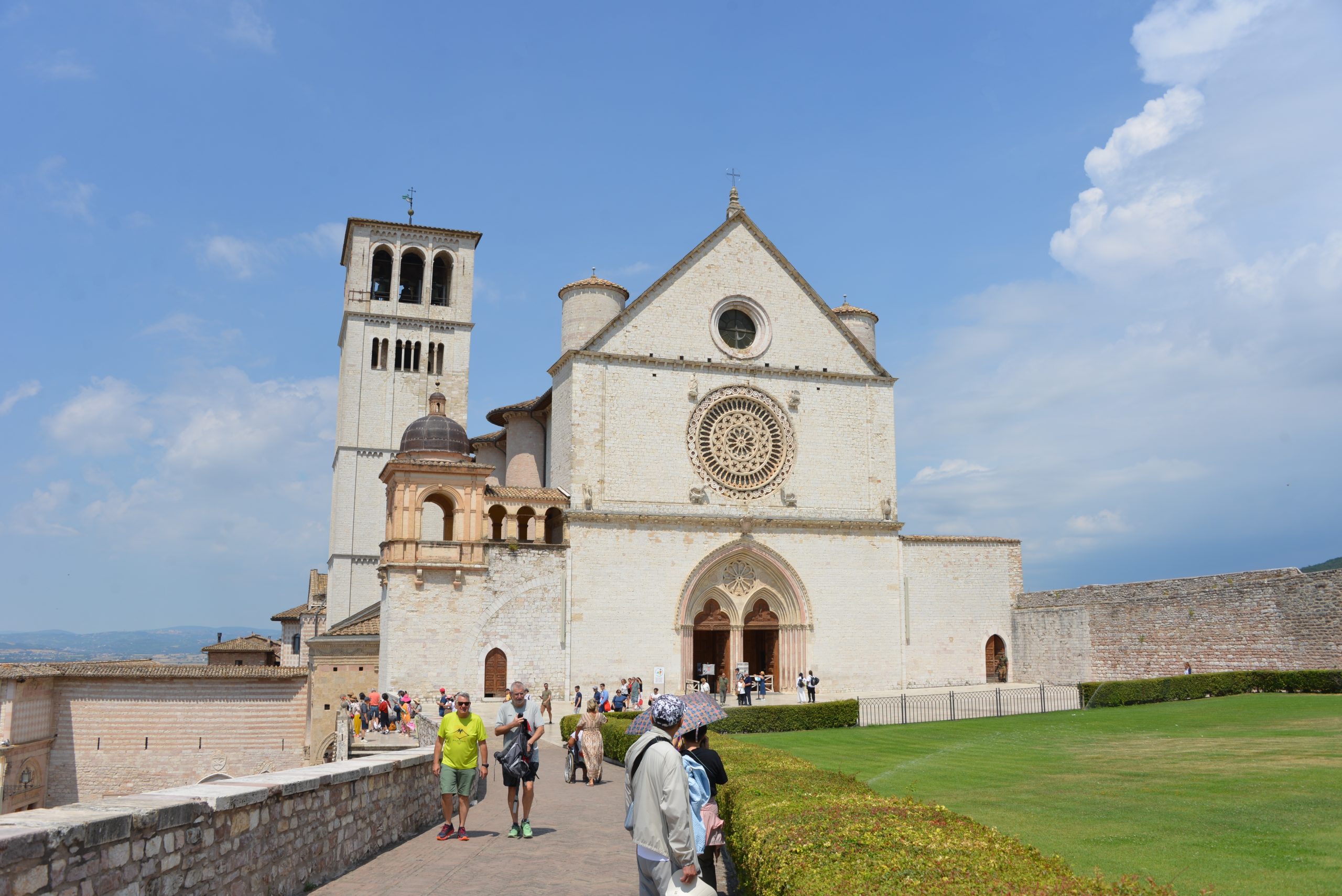
-
Lunchtime lecture: Art & colonialism, from England’s green & pleasant lands to Abolition and beyond
Running for one day, on the 23rd of September 2026, join Leslie remotely on this online lecture.
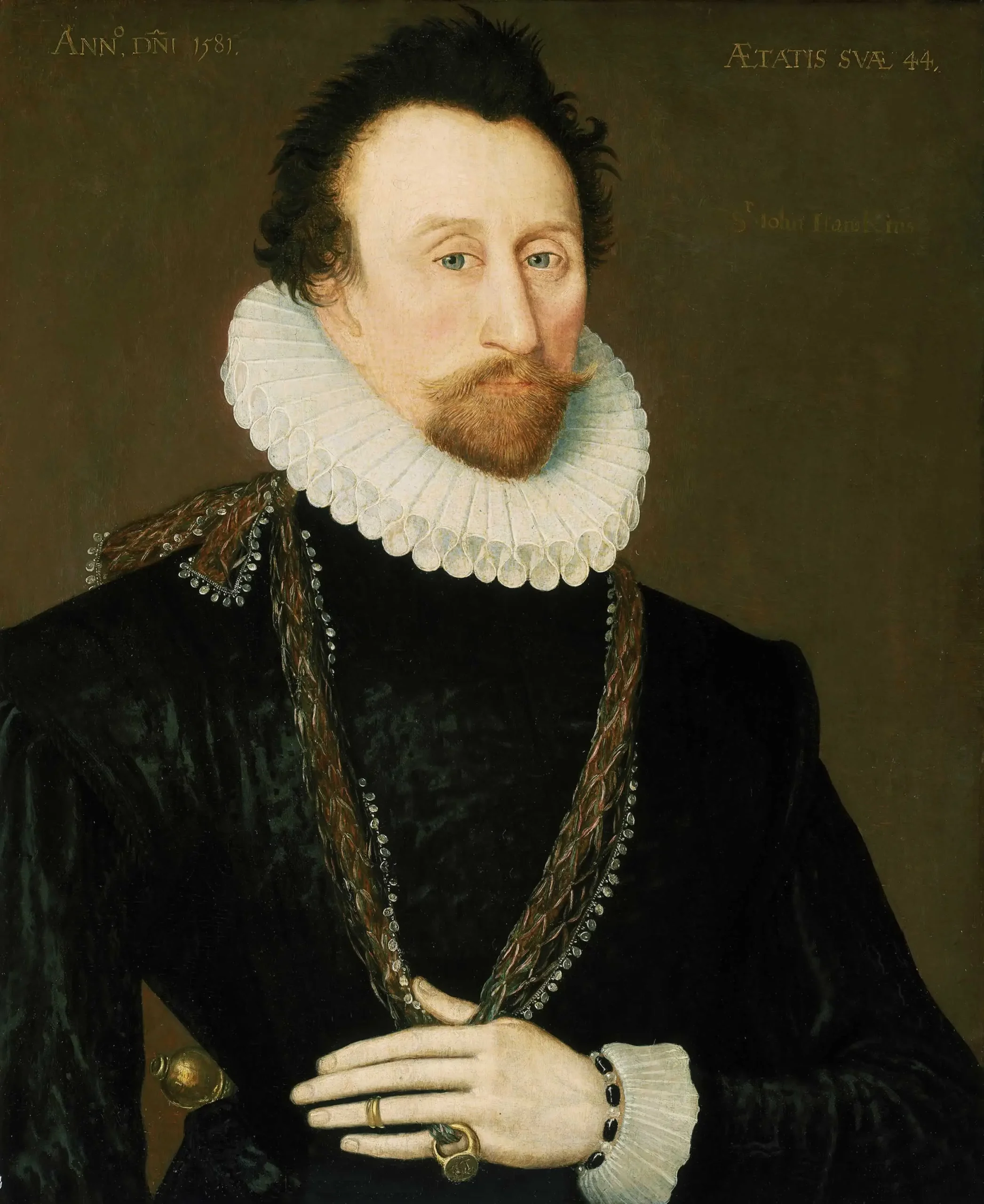
If you’ve ever thought that racism was just human nature and therefore an inevitability, well, think again. Inspired by the work of academic historian Corinne Fowler in her book, Our Island Stories: Country Walks Through Colonial Britain, this talk will reveal the reality behind the origins of racism through the art historical and poetic perspective of the English countryside.
Constable and Turner reimagined British landscape painting, so it is through them and other notable artists of the 18th and 19th centuries that this lecture will connect England’s green and pleasant lands to colonial expansion, enlightenment myths and the roots of racism. This will not be at all what you would expect from a lecture on this romantic and industrious period in British history, but it hopes to add another layer of complexity to the art of this period. Overall, this lecture endeavours to give students the tools to counter erroneous arguments that somehow this particular kind of discrimination has always existed.
Click here to explore the lecture.
Bookings
Now accepting lecture bookings for 2027 and beyond.
If you would like a slide lecture for your local fine art society on a variety of subjects ranging from early Renaissance to Impressionism, this can also be arranged at £500.00 for a one hour lecture. My lectures are given in the PowerPoint format only, and although I can supply my own laptop, I would require the society to have their own digital projector that I can connect to.
Leslie Primo worked at the National Gallery in London for 18 years – from 2000 to 2018, and has also taught a variety of art history course at Reading University, including: Medieval to Renaissance (a survey course), Reading Pictures – The Hidden Stories in Art (a course on iconography) and Masters of the Renaissance – Leonardo and Michelangelo.
Leslie Primo currently lectures at the National Portrait Gallery, and teaches a variety of art history courses at the Imperial College, London, City Literary and Bishopsgate Institutes in London, including: A art history survey course called Styles in Art (spanning art from Byzantium to Victorian painting), The Mirror of Nature (looking at 17th Century art and Culture), The Renaissance and Beyond, Introduction to the National Galley and Introduction to the National Portrait Gallery, Introduction to Western European Art and many more.
Leslie Primo’s lecturing repertoire and subject areas include: Early Renaissance painting, High Renaissance painting, Baroque and Mannerism, 17th, 18th and 19th century artists such as Seurat, Monet and Cézanne, which also encompasses Impressionism and Post-Impressionism. This also includes many slide lectures across all these subject areas, such as Reynolds’s Portrait of Omai, lectures on the Lunar Society, lectures on the Court of Charles I, and Leonardo’s Portraits and Madonnas.